Introduction
General practice and rural hospital medicine are the front door of Aotearoa New Zealand's health system. They are where people turn first when they need care, where most health concerns are managed, and where the greatest opportunity exists to improve health outcomes for all New Zealanders.
This manifesto sets out five practical priorities for the next Government to address that challenge:
- Invest in the foundation
- Fund the whole job
- Back clinical leadership
- Grow and keep the workforce
- Make equity real
Together, they would strengthen the foundations of the health system, improve access to care, support a sustainable workforce, advance equity, and ensure more New Zealanders can receive the right care, in the right place, at the right time.
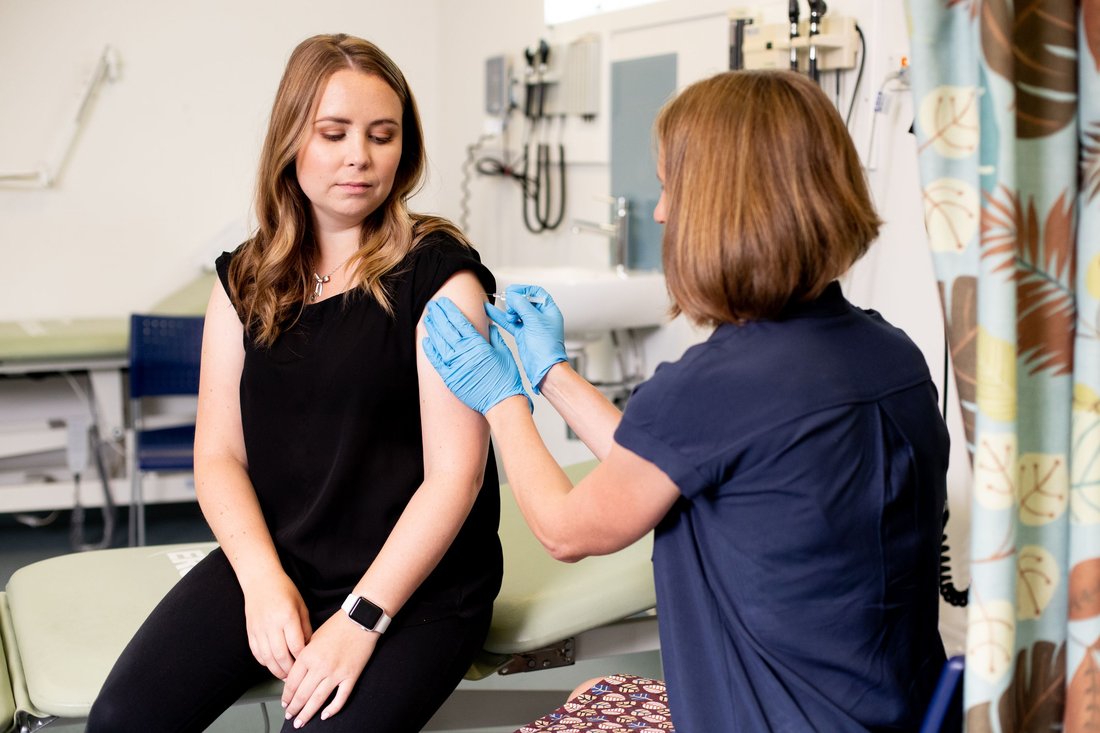
Ninety percent of medical issues are managed in primary care.
Yet primary care gets just 6% of the health budget. General practice is where New Zealanders turn first and where the health system can make the biggest difference to health outcomes. Around 24 million patient contacts occur in primary care each year, compared with 1.4 million ED visits and one million outpatient visits a year. Specialist GPs catch illness early, manage complexity over time and keep people out of hospital. Fund the front door, and the whole system works better.
Right now, Aotearoa New Zealand invests only about 6% of Vote Health in primary care. This underfunding has resulted in longer waits, exhausted teams, unsafe rural staffing gaps and avoidable hospital pressure. Recent improvements matter but they are not enough. The next Government must close the gap.
Five priorities for the next Government


Invest in the foundation
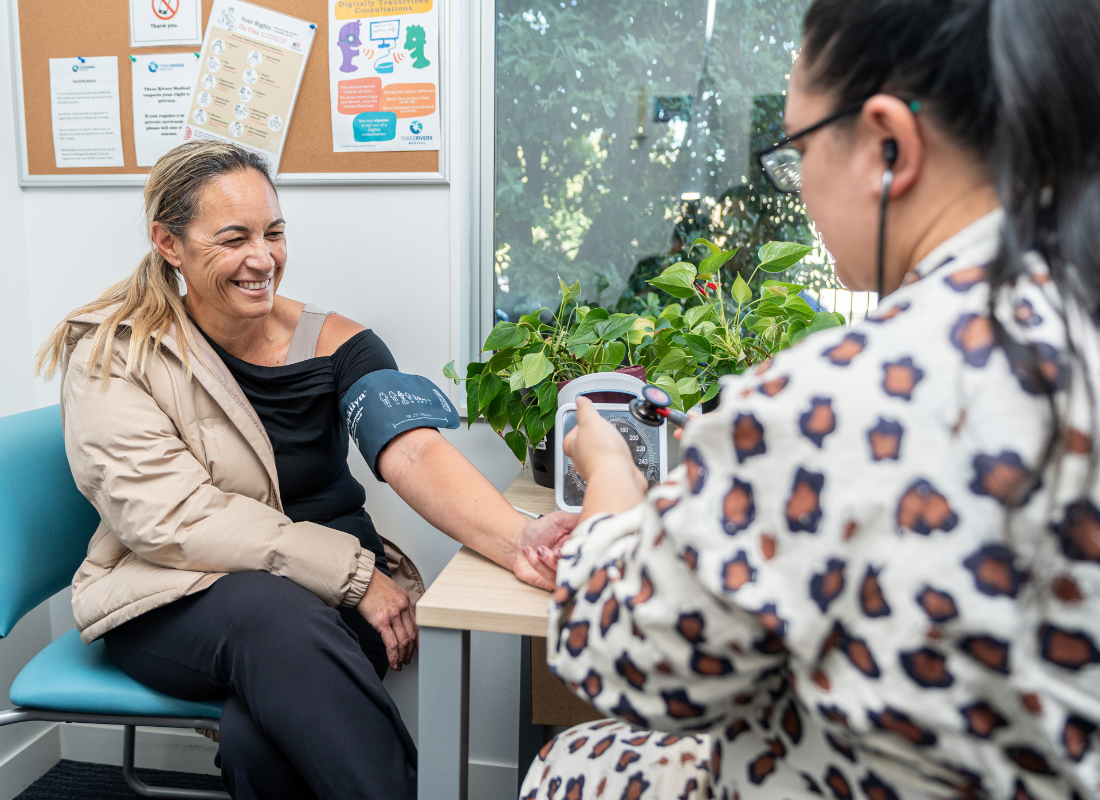
Put serious, sustained investment into the front door of the health system. Lift primary care funding toward international benchmarks to give general practices multi-year certainty and make appointments with a GP accessible in terms of cost and availability to patients. So, patients are seen and managed early and not when their health issues have become more urgent or advanced.
This is the smartest investment in health. Strong general practice reduces hospital admissions, improves equity, extends life expectancy, and delivers better value across the wider health system. Under-investment does not save money; it only shifts cost and risk downstream.

Fund the whole job
Fund the full scope of general practice, not just the appointment. Measure patient need, plan the workforce to meet it, and fund the 44% of specialist GP work that happens outside the consultation room.
Test results reviewed, referrals chased, care coordinated, follow-up completed - this is the vital work that keeps patients safe. When it is unfunded, burnout rises, capacity shrinks, and practices become fragile, especially in rural and high-need communities.
Back clinical leadership
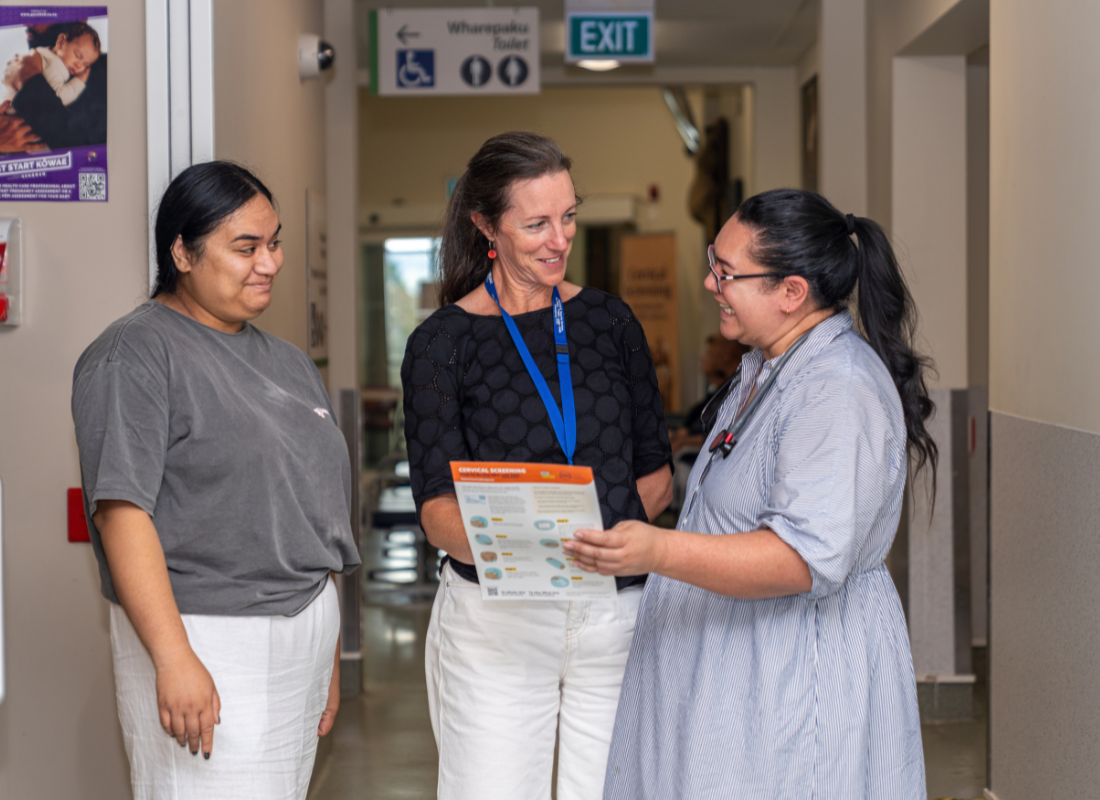
Back the clinical leaders who hold patient care together. Recognise specialist GPs as the clinical leaders of general practice teams, and fund the leadership, supervision, governance and coordination required to deliver safe patient care.
It takes 11 to 14 years to become a specialist GP or rural hospital specialist. Wider teams are essential, but they must be clinically led, coordinated, and accountable. Without funded leadership and supervision, pressure increases, diagnoses and management are delayed, and care fragments.
Grow and keep the workforce
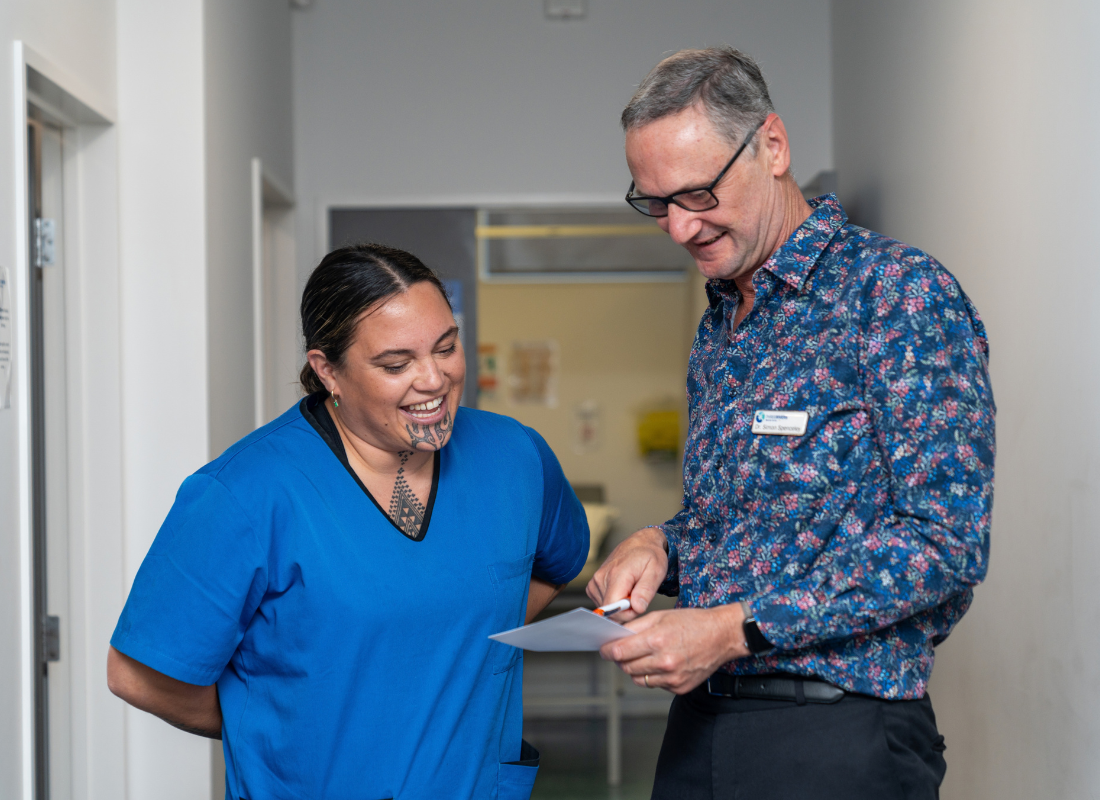
Build the future workforce New Zealand needs. Fund GP and rural hospital medicine training on par with other medical specialties, protect teaching time, recognise the practices that train the next generation, and close the gaps in remuneration and conditions that drive doctors away from community-based careers.
Junior doctors make career decisions based on more than professional interest alone. When hospital-based specialist pathways offer better remuneration, professional development support and employment conditions than general practice, the health system sends a clear signal about where it places value. If New Zealand wants more specialist GPs and rural hospital specialists, it must ensure these careers are recognised, rewarded and supported as specialist medical careers in their own right
The pipeline will not grow by accident. Practices need funded capacity to host learners, and junior doctors need to see general practice as a valued, sustainable and financially viable career. Better alignment of remuneration and employment conditions with hospital-based colleagues would help attract more doctors into frontline community medicine retain experienced clinicians and reflect the critical role specialist GPs and rural hospital specialists play in the health system.
Make equity real
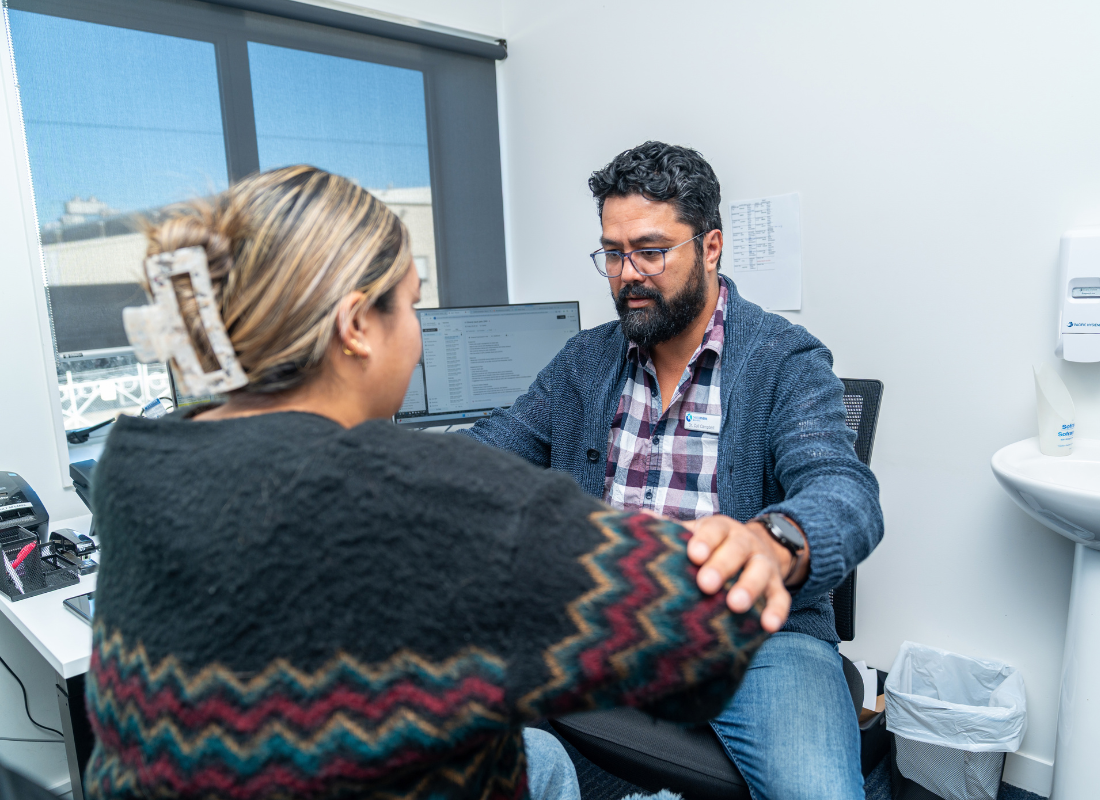
Make equity more than a promise. Send workforce and funding first to communities with the greatest unmet need. Build funding models that recognise ethnicity alongside deprivation, rurality and other markers of need, and co-design workforce strategy with Māori.
When communities cannot recruit or keep general practice staff, people wait longer, travel further, or miss out altogether. These pressures hit Māori, Pacific peoples, rural communities and people living with deprivation hardest. Te Tiriti o Waitangi requires active protection of Māori health rights. Workforce instability works directly against that.
Rural communities need care close to home. Nearly one in five New Zealanders live rurally, yet staffing shortages leave existing rural hospital beds and facilities unused. Funding the rural workforce means treating patients locally and easing pressure on metropolitan hospitals.
Our ask of every political party
The choice is clear: fund care early, close to home and led by specialist, expert generalists
The choice is clear: fund care early, close to home and led by specialist, expert generalists or keep paying more when people are treated later, when they are sicker and end up in hospital. Sustainable general practice is not optional. It is the foundation of a sustainable, strong health system.
We ask every political party to be clear with New Zealanders: which of these five priorities will you commit to, and when will you act? The College will keep bringing the voice of members to the table and pushing for practical, realistic and fair solutions for patients, whānau, specialist GPs and rural hospital specialists.