9 out of every 10 medical problems
are dealt with in general practice.
Specialist GPs are the first point of contact for most New Zealanders who have a health concern.
Your GP is more than a generalist doctor. They are a specialist, trained to care for you throughout every stage of life, building a relationship that helps deliver better health outcomes for you, your whānau and your community.
They play a vital role in keeping our communities healthy and thriving and are one of the few specialties that see the whole person rather than one condition.
View our manifesto to understand how stronger support for general practice benefits patients, communities and healthcare nationwide.
He hononga whānau, he oranga whānui
Through strong whānau connection, wider wellbeing can flourish.
When a specialist GP knows you over time, they see more than a single moment of illness. They come to understand your history, your whānau and the context of your life. These long-term relationships are built on trust, listening and continuity of care.
He hononga whānau, he oranga whānui reflects the belief that strong connections between patients, whānau and their specialist GP lead to healthier communities and better outcomes for all.

Highly trained
Specialist GPs complete 11+ years of medical training.

Ongoing training
Specialist GPs participate in ongoing professional development to maintain their practising certificate.

Continuity of care
Specialist GPs build a relationship with you to deliver better health outcomes.
What is a specialist GP?
A specialist GP is more than a generalist doctor; they are experts in generalist medicine. They are a highly trained medical specialists who can deliver complex, continuity-based care in the community.
To obtain the title of specialist GP, they have completed 11+ years of medical training. They must participate in professional development annually to maintain their practising certificate.
A specialist GP has undertaken the following training in order to be vocationally registered, and a Fellow of the College of GPs (FRNZCGP).
How is a specialist GP trained?

Six years of medical study to gain a bachelor's degree
Completed a Bachelor of Medicine and Bachelor of Surgery (MBChB) providing a strong foundation in medicine.

Two years postgraduate medical experience
Completed two years of postgraduate medical experience as an intern within a hospital setting, providing them with clinical hours and practical competencies.

Three years of specialist general practice training
Completed our three-year vocational training programme, the General Practice Education Programme.
Hear from Specialist GPs
Dr Mariam Contractor
Mariam explains how specialist GPs use continuity of care to recognise serious conditions early.
Dr Hohepa Cumming
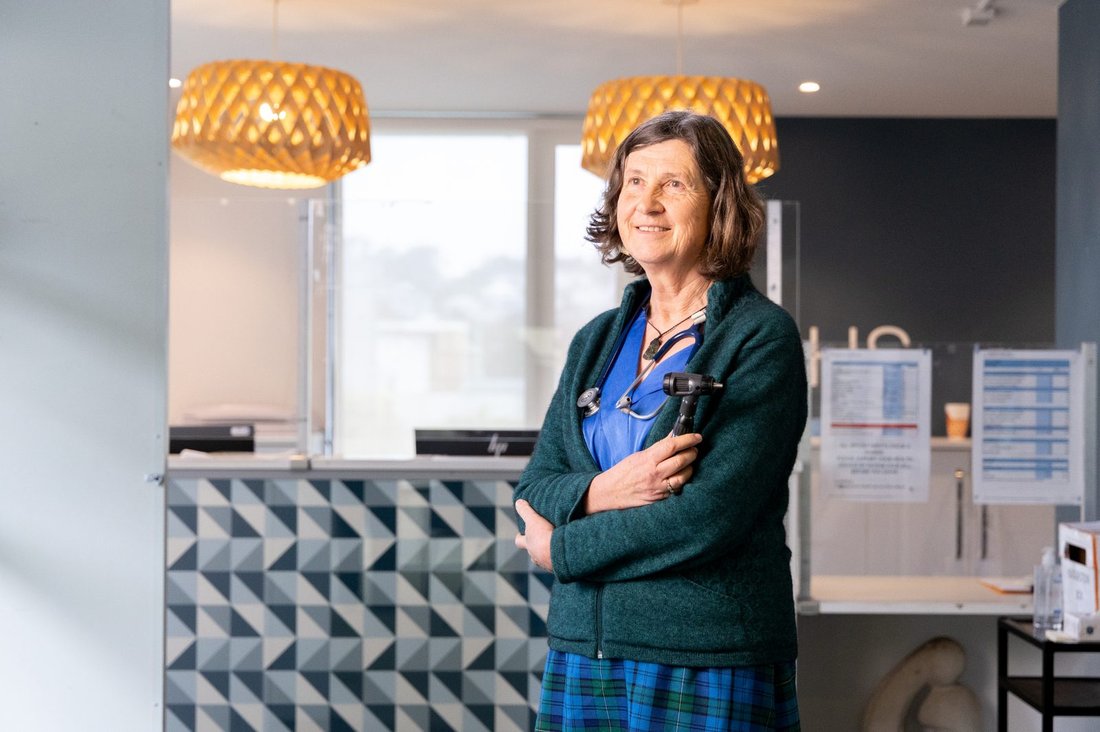
Hohepa explains the training required to become a specialist GP, including medical school and vocational training.
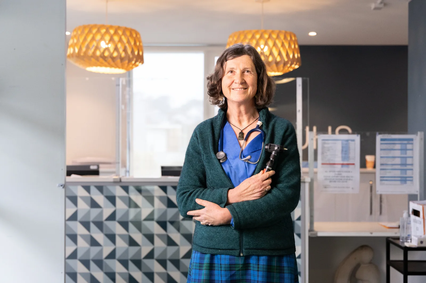
Dr Vivienne Coppell
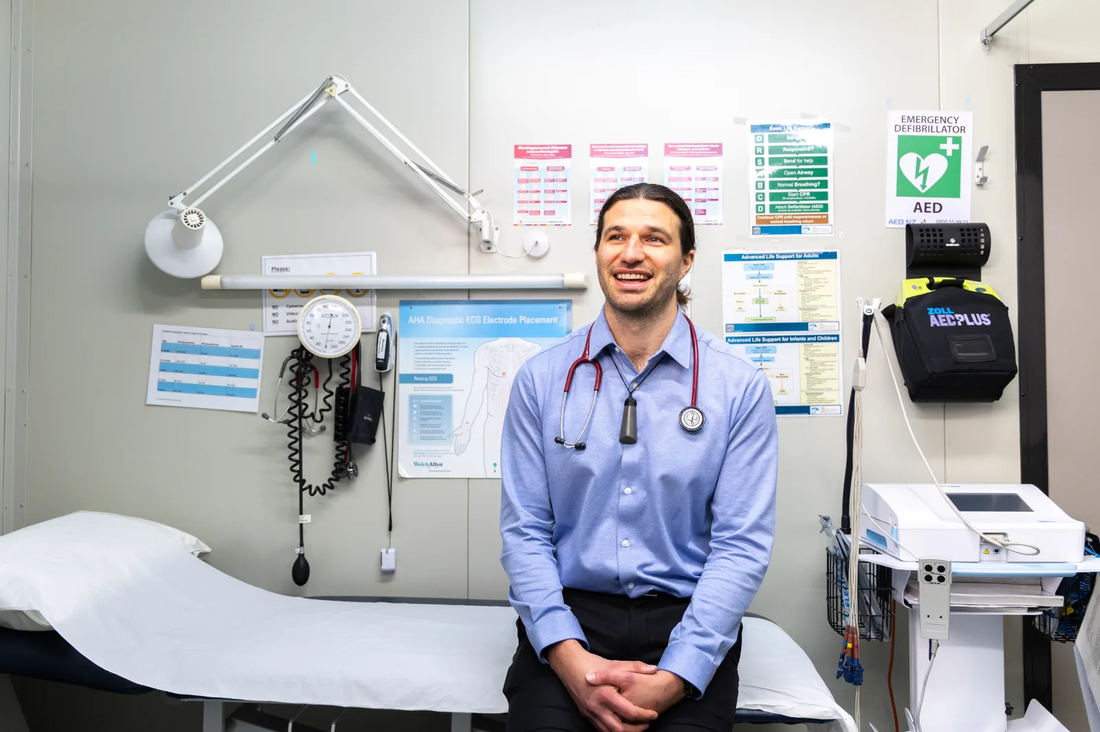
Vivienne explains how specialist GPs provide whole-person care, helping older people manage complex health needs.
The value of a Specialist GP who knows you

Supporting healthy children
Specialist GPs provide health checks, immunisations, and care when your child is unwell. They can also identify potential health concerns early and connect families with the right support when needed. As your child grows, your specialist GP develops an understanding of their health history and family circumstances, helping to provide care that is personalised and consistent over time.

Long-term conditions
A specialist GP can help you manage long-term conditions such as diabetes, asthma, heart disease or arthritis. They will work with you to monitor your condition, review medicines, coordinate care with other health professionals and support lifestyle changes that improve your health and wellbeing.

Mental health
Specialist GPs are often the first health professional people turn to when they are experiencing stress, anxiety, depression, grief or other mental health concerns. Your specialist GP can listen without judgement, help you understand what you are experiencing, provide treatment where appropriate and connect you with other specialist support services if needed.

Caring for older people
As people age, their health needs often become more complex. A specialist GP can manage ongoing conditions, review medicines, support healthy ageing and coordinate care. By understanding your health history and what is normal for you, they can identify concerns early and provide care tailored to your needs and goals.
Interested in specialising as a GP?
Find out more about our General Practice Education Training Programme. Applications will open in February 2027.
Find out more